
Our Time is Running Short
The third day at De La Salle, the last full day of our trip, proved to be climatic for many in our group. Relationships were developing and depth was being reached. Whether Kevin was introducing his 5th grade class to the Sound of Silence or others were learning the rich and fascinating history of the Blackfeet Nation, this Wednesday afternoon proved to be more fulfilling than most weeks in my life.
There seemed to be a shared feeling of guilt and responsibility in the group. We discussed how hard it is to start such wonderful relationships and leave right away. While many of the people we have met are rich in wisdom and in love, their suffrage has embedded itself in our consciousness. As one of the group members put, ‘How is it that I am blessed so much and have done nothing yet this wonderful community has done nothing and has to suffer?’ It is hard for all of us but the conclusion was made that change in heart can be a painful experience, but the development through love makes it worth it.
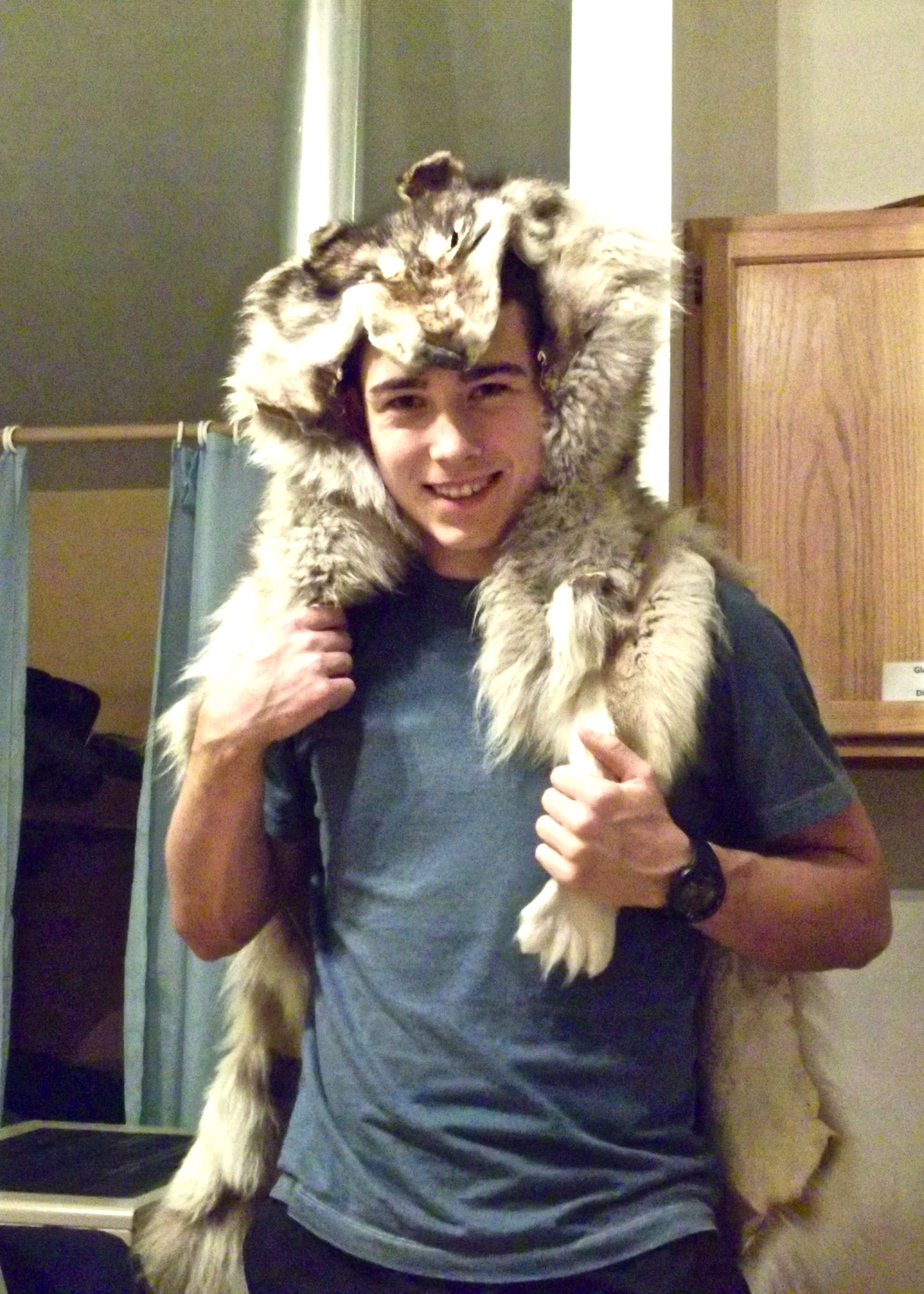
Cody during Marty Martain Talk, Browning MT
The evening was another amazing experience as we were privileged to engage in conversation with Marty Martain as he explained to us Blackfeet history. We learned of the 30-year period where the reservation shrunk from much of Montana, Northern Idaho, and Canada, to roughly 1/50th its original size. We learned of the significance of the earth and all things, but what was most overwhelming was listening to Marty tell us about the significance of the eagle. He told us the eagle is the most sacred animal, how the eagle is a carrier between the creator and us. We got the rare opportunity to even touch, hold and wear 1800’s eagle feather regalia. It was humbling, and simply awe-inspiring experience.
For myself the most influential experience was with the children, having them open up to me about their family, their struggles, and most of all their immense capacity to love. As I recollect on the week, that has been what I have been able to take away most. These kids have been able to teach us love.
Cody Noffsinger
A Trip to Medicine Bear and Beyond
Today was another really eventful day. We began the day by getting up and arriving at De La Salle Blackfeet School at around 7:40 am. We had time to just hang out with the kids in the morning. It was amazing to just see how full of energy and excitement the kids were to be playing around with their friends before school.
Around 9:30 am we left the school and walked over to Medicine Bear. Medicine Bear is a soup kitchen type of home for the Street People. The Street People are not homeless, but rather are people that have a place to live but have been kicked out of it. These people are some of the happiest people that I have ever seen. From the moment that they entered into the Medicine Bear to the minute they left, they were smiling and laughing. They are a huge family that must stick together. While we were there, I really saw Christ in these people. Because of their joy and happiness about everything. Even though they are not the most well off, they are ok with it and are just trying to be the best that they can be.
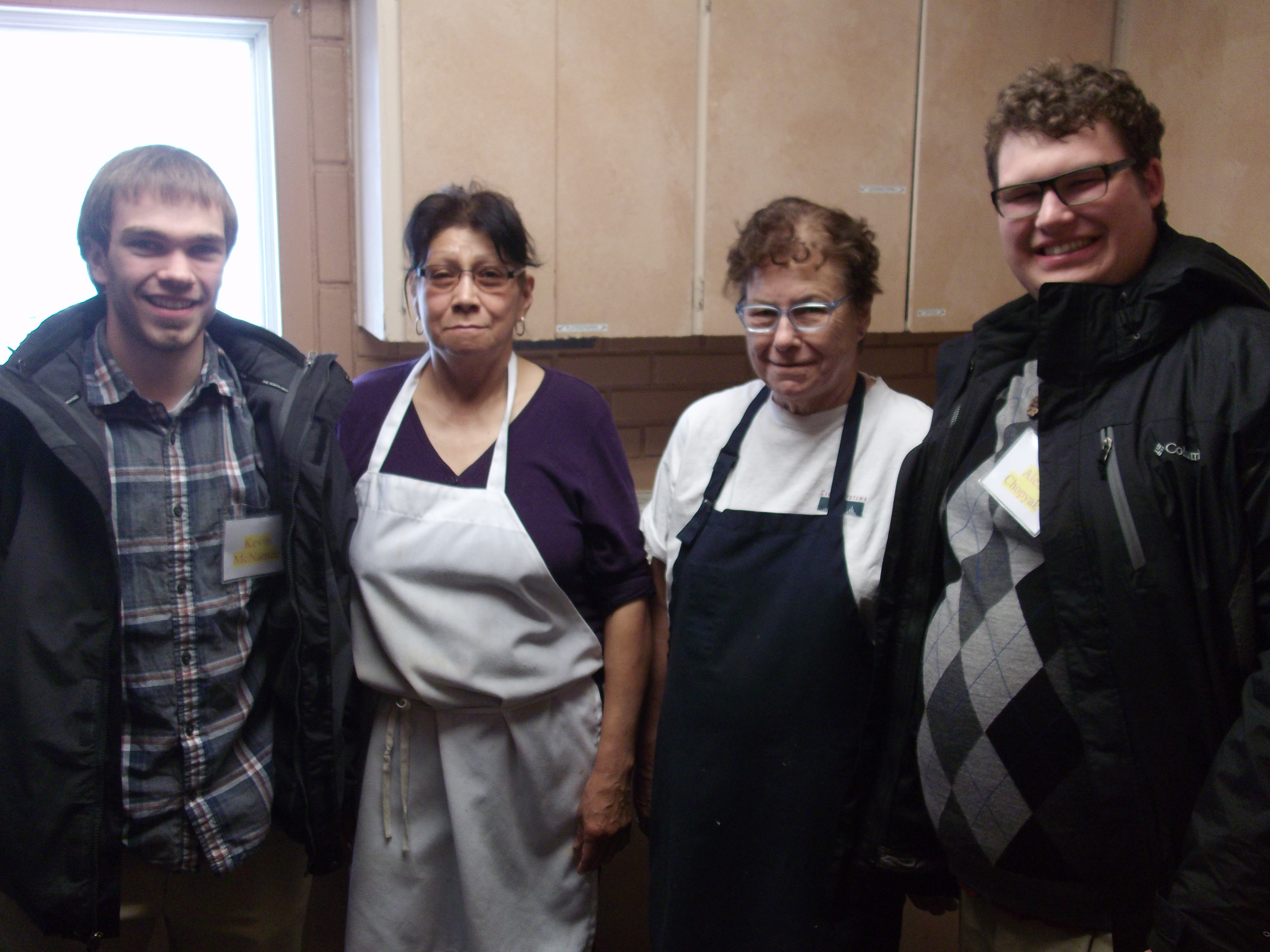
Medicine Bear Kitchen, Browning MT
There was one man that a few of us got to listen to talk for a long time. He was a decorated member of the marines. He was medically discharged because he was shot in the leg. He was one of the nicest gentlemen that I have talked to. The part that struck me most about the conversation that we had with him was when he talked about his drinking. We have all known about the drinking challenges here on the reservation, but to hear about it from a specific person was really amazing. The gentleman kept saying that he knew that it was bad for his health and bad for his personality; however, the reason he kept drinking was to make himself feel better about the person that he is. He does not use drinking to just get drunk but to feel better. Which he believes is different for many of the other drinkers in the community.
There was another man there that was also a retired member of the military. He said that the reason that he drinks is because when he is sober, he has dreams of the war and nightmares of things that happened. During our evening reflection, Cody said that the gentleman that a few of us listen to really gave a good reason for the drinking in the community and on the reservation. Many Indians enter the army and love serving the United States; however, it is hard for them to come back and be the same. This can be said for many of the soldiers that are not Indian or from the reservations.
Later that afternoon we had the pleasure of listening to a man named Harry Barnes. Harry lives in Browning and is a Blackfeet from his mother and Irish from his Dad. He was born in Spokane, WA. He has moved back and forth from off the reservation to on it for years. He now owns his own business in Browning. Because of this, he knows a lot about the economics of the Blackfeet reservation. This was a big eye opener for us. We had heard about the hardships that the people are having to go through, but to hear about it from a person who lives it each day was amazing. He talked about the different big economic advances for the reservation, from the horse to the coming of the whiskey traders. He also talked about the tribal government. Just like the United States government, the tribal government is unable to make decisions and are fighting and may possible shut down like ours did. Because of this, they are unable to pay certain people what they need to be paid. For Harry, his business does a lot of business with the government, but if they are not cooperating, then they can’t spend money and therefore he has lost business. This then effects how much he can pay his employees. Which then affects his employees’ way of life.
Today was a very important day in our immersion in Browning. We really got a glimpse into the life that we had only heard about. Being able to spend time with the Street People and then to listen to Harry really put into perspective the lives of the people here in Browning. During reflection that night we talked about what is that God is calling us to do. So, as we continue throughout this week, it is important that we start looking for what it is that He is calling us to get out of this immersion and what it is that we can do when we return to Helena.
Alex Chopyak
Our First Day at School
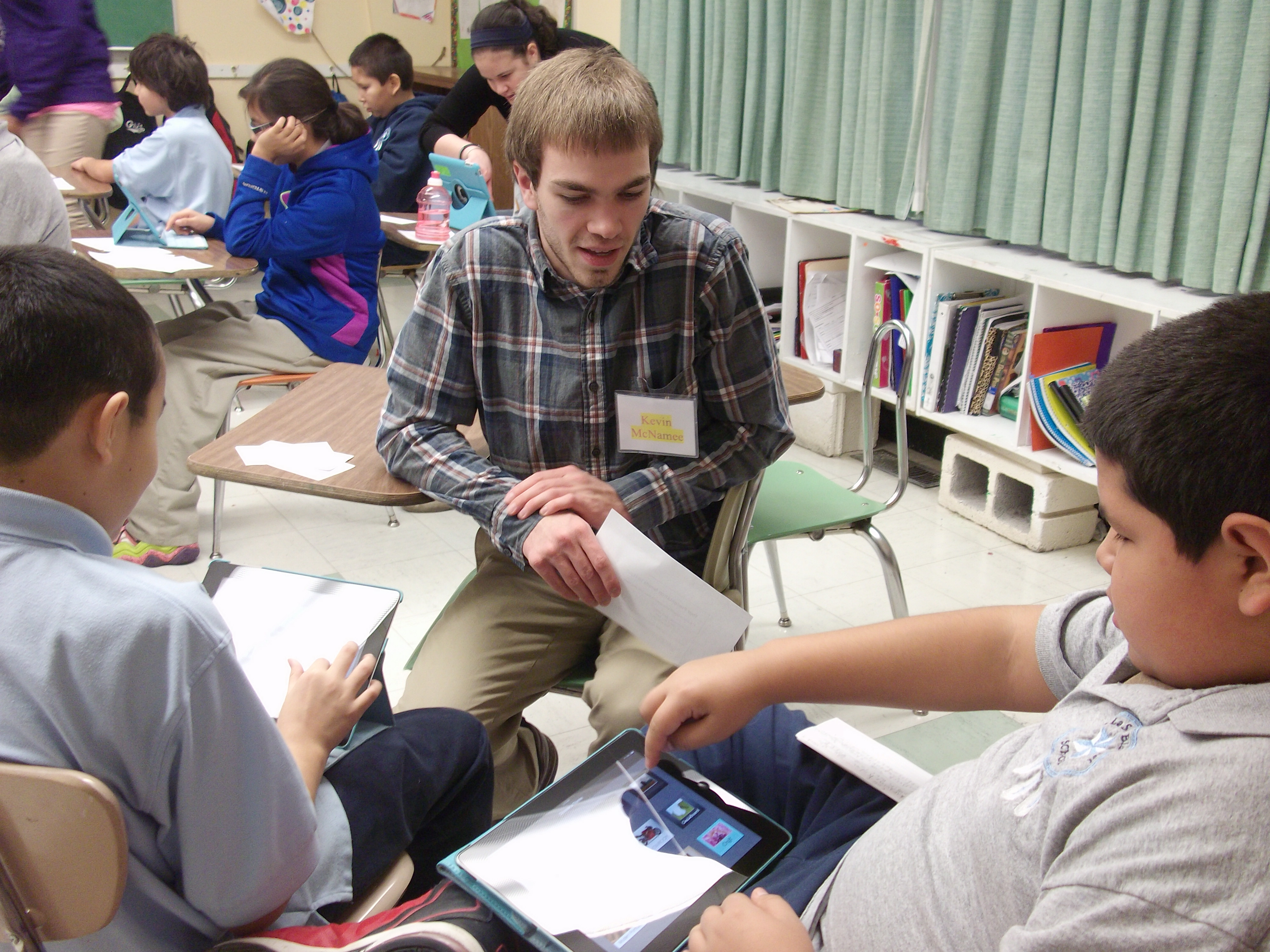
Kevin Tutoring Students, De La Salle School, Browning MT
Today was our first day of “real” service. After an early morning, we showed up at De La Salle School at 8:00 AM, where we stayed until 4:30 in the afternoon, spending time in classrooms tutoring and getting to know students. Like all of us, I was unsure of what to expect out of the school and the students. My experiences throughout the day were very eye opening.
Having heard about the many social challenges in Browning, I was surprised to see how much the fifth grade classroom I was in was like any other fifth grade classroom I knew. What I found uncommon about the class was the evident love between the teacher and the students. Like any other group of ten year olds, there were some behavioral problems. We all agreed that the way discipline is handled at the school reflects a true love and community between teachers and students. Even when students were reprimanded, they showed a respect for the teachers and seemed to genuinely understand why they were in trouble. Reflecting on this, we agreed that the ability to discipline someone in order to help him or her be the best they can be is a necessary part of true selfless love. This unique classroom environment exemplifies the deep sense of caring and community in Browning.
After spending several hours in the classroom with students, we headed to lunch in the basement of Little Flower Parish, which is located next door to the school. Here I received a serious reality check. As I walked to the church I saw a shiny white hearse parked in front, and people entering the church. We had been told the previous day about the staggering number of funerals held at that parish, and the disturbing fact that many of these funerals were for young people. Eating lunch in the basement while a funeral service took place above us made this reality clear. It was humbling to look around and see these very normal, apparently innocent children going nonchalantly about their lives in an environment that makes innocence almost impossible to hold on to. As I reflected on all of the blessings I take for granted, which many of these students may never experience the words of Christ, “Without cost you have received; without cost you are to give” (Matthew 10:8) became very real to me. This experience really pushed me to give of myself in service this week and to make service a more serious part of my life as I return to Carroll.
At the end of the day, we watched a very powerful film called Smoke Signals, which chronicles a young Coeur d’Alene Indian’s efforts to make sense of his identity in the wake of his father’s death. Having spent the day serving in a place where such realties are not uncommon, the film really hit home. Overall, today was a day of moving experiences, which left me, excited to see how we will encounter Christ in the remainder of this trip.
Kevin McNamee
Moving Forward

On the Buffalo Jump, Browning, MT
A cold Sunday morning at 6:45 AM six brave souls braved the snowstorm to head north to Browning Montana. We loaded up the cars and headed into Borromeo dorm for a quick prayer to start our headlights trip. Well we drove, the roads were ok, some parts were bad, but the best part was the views, rolling hills, mountains painted purple by the sunrise. It was pretty neat. A reoccurring theme in our drive was circles. Dan loves circles; well that’s what I deduced by our drive up. In Choteau, we circled the round about two times for good measure. Into the wrong drive way while trying to find where we are staying, another circle. Even trying to find a place to hike! As much as I joke about Dan’s love of circles, we gleamed some really cool spiritual insights from it. Even though we were moving towards our goal, sometimes we would get stuck going in circles at a roundabout, or make a wrong turn and have to backtrack onto the right path, often in our spiritual life we do the same. Get hung up, or go down the wrong path. I really liked this thought at the end of the day. So we finally arrive and are shown our cabin.
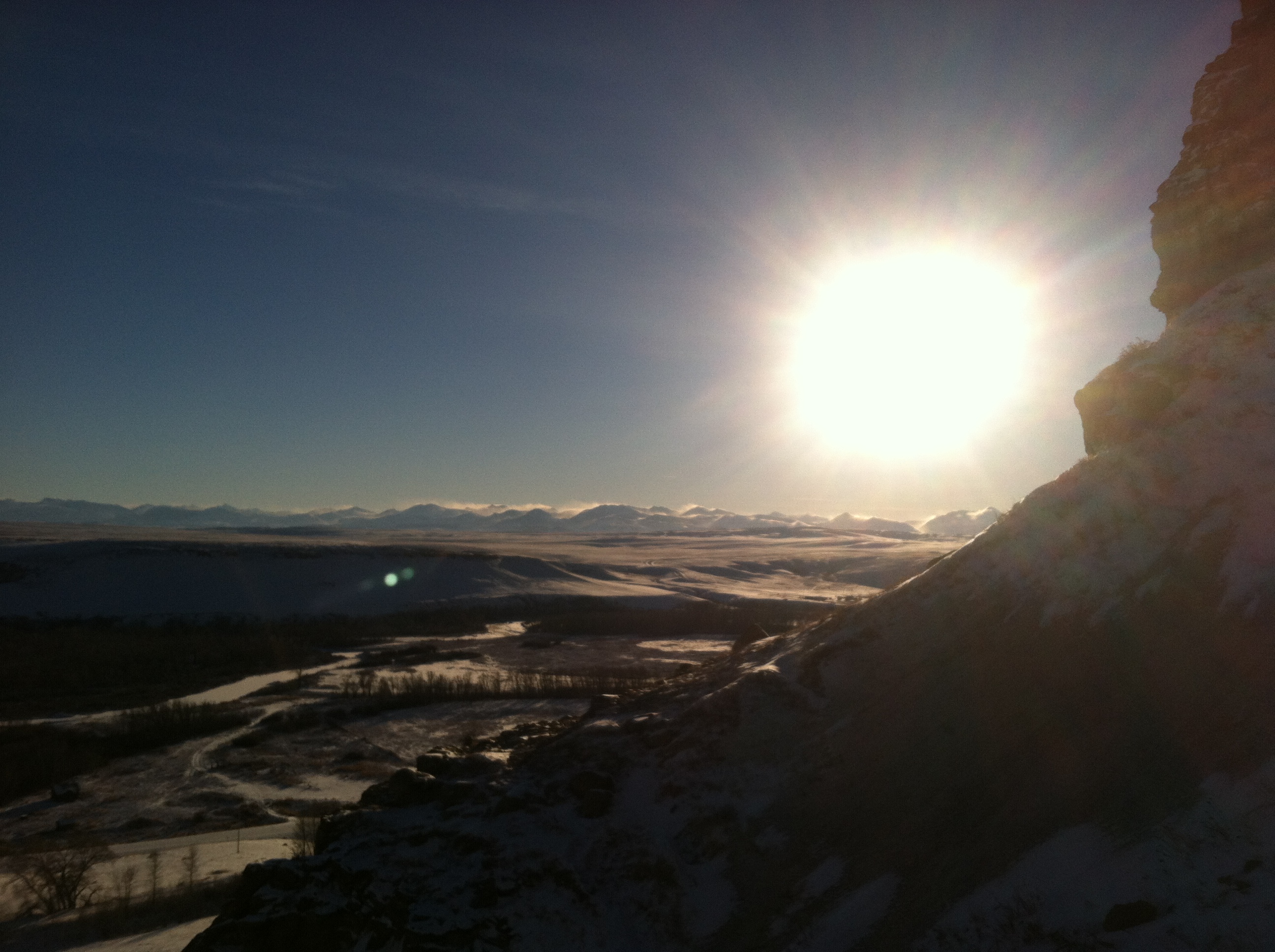
After the usual claiming of a bunk and getting settled in, we decided to go hike up a buffalo jump nearby. So we hopped into the cars and headed down the road, passed where we need to stop and drive in a circle again. We hiked to the base, and in front of us are these beautiful cliffs partly covered in snow. We couldn’t find a definite trail to the top so we decided to forge our own way. It was slippery on the way up and down but man was the view from the top amazing! Rolling hills to the east and to the west, the grandiose view of the Bob Marshall and Glacier national Park. Though these views were awe-inspiring. The little things were just as amazing. Kevin pointed out the way the wind had moved the snow into a pattern reminiscent of sand dunes. Alex commented on frost looking like feathers off of a bush. We saw God in the big things and in the little things today. On the top of the buffalo jump we related how this sacred ground for Native Americans is similar to the sacredness of Mass, and in some sense Christ’s sacrifice.
When we first arrived we attended Mass at the Little Flower Parish, Mass was special because we received a blessing from the congregation. They all turned, laid hands on us and sang, which reminded me of the way Carroll folks bless people. At the buffalo Jump we reflected on the symbol of the buffalo, how it is the way the Blackfeet received life, the buffalo were driven over the cliffs to death. A sacrifice so the Blackfeet Tribe could receive nourishment and life. Like Christ’s sacrifice so we may have eternal life and have the grace to live life to the full here on earth.
Overall today has been a blessing. We got to experience the joy of Mass in a loving community, and see God in his creation. The weather was beautiful and we are all excited to see what God has in store for us!
Peace,
Jared Howes
Our First Day in Browning
Holy Family Mission, Browning MT
We are embarking on yet another journey to one of our favorite places, the Blackfeet Nation. For years now the Headlights program has made an immersion trip to our Diocesan reservation a priority in our ministry, not only because of the challenges that our brothers and sisters face, but also because of the great beauty and wisdom that their culture provides us and the many things they teach us about God and ourselves. We have a tremendous group of students who are excited and open to the possibilities that await us and the wonderful ways that we will encounter God. Please check back and keep up with our adventures and reflections, because we want to share them with you!
Dan Thies
Carroll College Campus Ministry
Memorial Day
Mark 10:17-27
17 As Jesus started on his way, a man ran up to him and fell on his knees before him. “Good teacher,” he asked, “what must I do to inherit eternal life?” 18 “Why do you call me good?” Jesus answered. “No one is good—except God alone. 19 You know the commandments: ‘You shall not murder, you shall not commit adultery, you shall not steal, you shall not give false testimony, you shall not defraud, honor your father and mother.’” 20 “Teacher,” he declared, “all these I have kept since I was a boy.” 21 Jesus looked at him and loved him. “One thing you lack,” he said. “Go, sell everything you have and give to the poor, and you will have treasure in heaven. Then come, follow me.” 22 At this the man’s face fell. He went away sad, because he had great wealth. 23 Jesus looked around and said to his disciples, “How hard it is for the rich to enter the kingdom of God!” 24 The disciples were amazed at his words. But Jesus said again, “Children, how hard it is to enter the kingdom of God! 25 It is easier for a camel to go through the eye of a needle than for someone who is rich to enter the kingdom of God.” 26 The disciples were even more amazed, and said to each other, “Who then can be saved?” 27 Jesus looked at them and said, “With man this is impossible, but not with God; all things are possible with God.”
This morning I took a cooler shower… it was still relatively warm… and I was thinking about how much I have. I don’t know about you guys, but this last week I have struggled. Colleen asked us in Guatemala to reflect on what makes us uncomfortable.
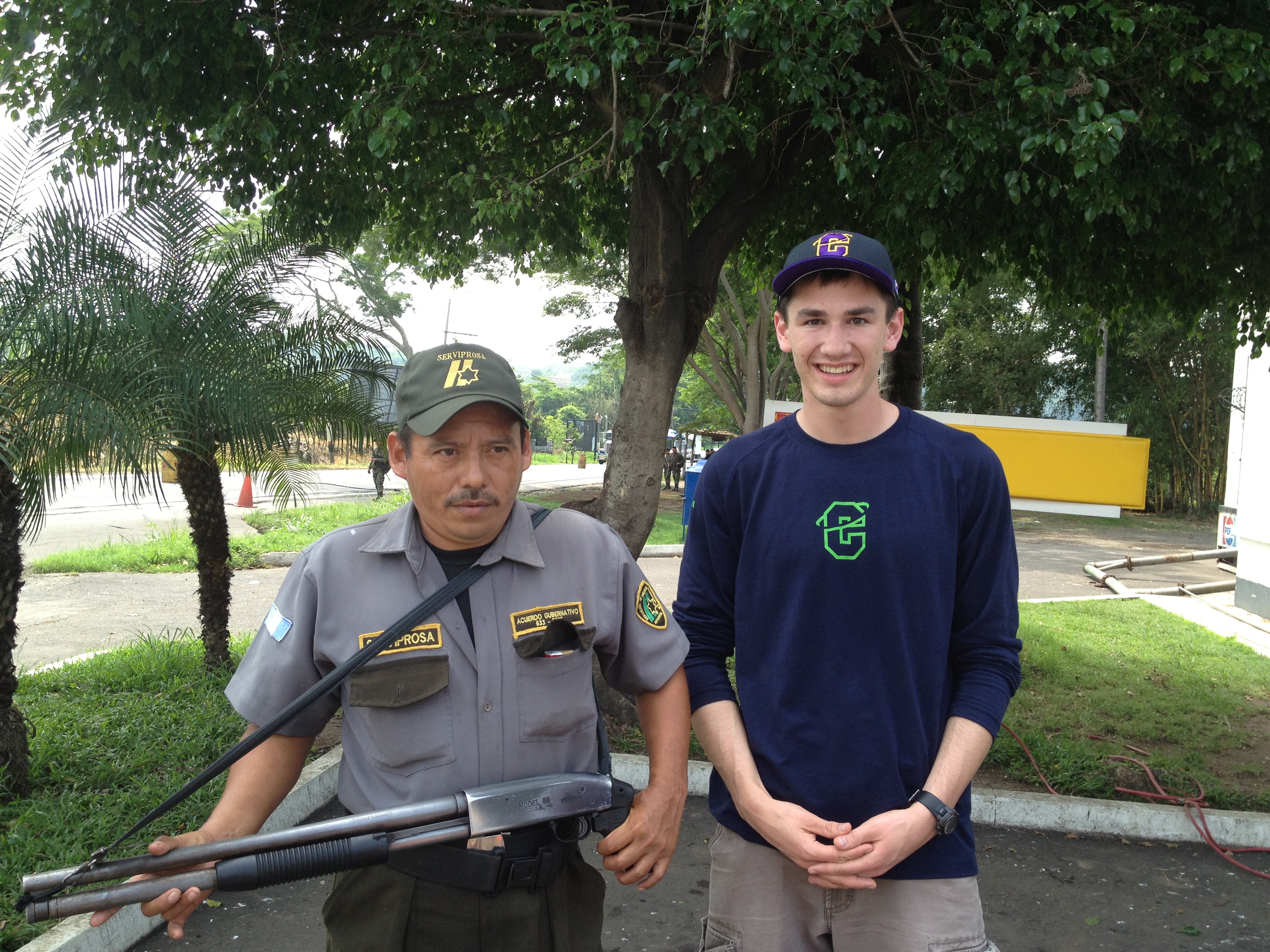 I could honestly say down there that I wasn’t very uncomfortable, but rather it has been in the silence of our return that I have felt uneasy and I have even tried to avoid the silence. This gospel from Mark challenged me today to stop running. How simple, yet difficult, is Jesus’ call: Let go of everything and follow me. I have been thinking about Sheila’s answer to this call. I am ready to give two weeks, several months, or even several years to work such as Sheila’s, but am I willing to give everything? Sheila has given her entire life to God’s work. If God asked me to leave everything behind today, I don’t think I could. I often give to God from my “surplus” in my life, but rarely do I give to him from my necessity. The Guatemalans gave to us from their necessity. They fed us when they had little food, they gave up their seats at church for us, the pastoral youth devoted their Saturday evening to be with us, Diago took several days to make us those pens. They all gave us their very best. Jesus Christ is truly living in them and it is because of this generosity in their poverty (Jesus’ poverty), that we have become spiritually rich. If we follow the Guatemalan’s example, we may be able to answer the call, “Come, follow me.”
All of you are in my prayers and thoughts! Happy Memorial Day!
Matt Harrison
Reflections on Culture
One of the first things that I noticed when we arrived, and something that continued to overwhelm me throughout the trip and even now, is the influence of the American culture on Guatemala. I often don’t consider our American ways to be an actual “culture,” and instead consider “culture” to be something we see in National Geographic and foreign countries. However, in Guatemala, the meshing of American culture and Guatemalan culture was so incredibly apparent. The people wore traditional dress – the handwoven skirts, blouses, blankets, belts – and were clearly an older culture in which women were subordinate to men, religion was a mixture of Biblical Christianity and traditional pagan beliefs, and the majority of people spend their lives working to ensure their families have food and education if they’re among the lucky few. The American culture permeated this lifestyle in strange ways. 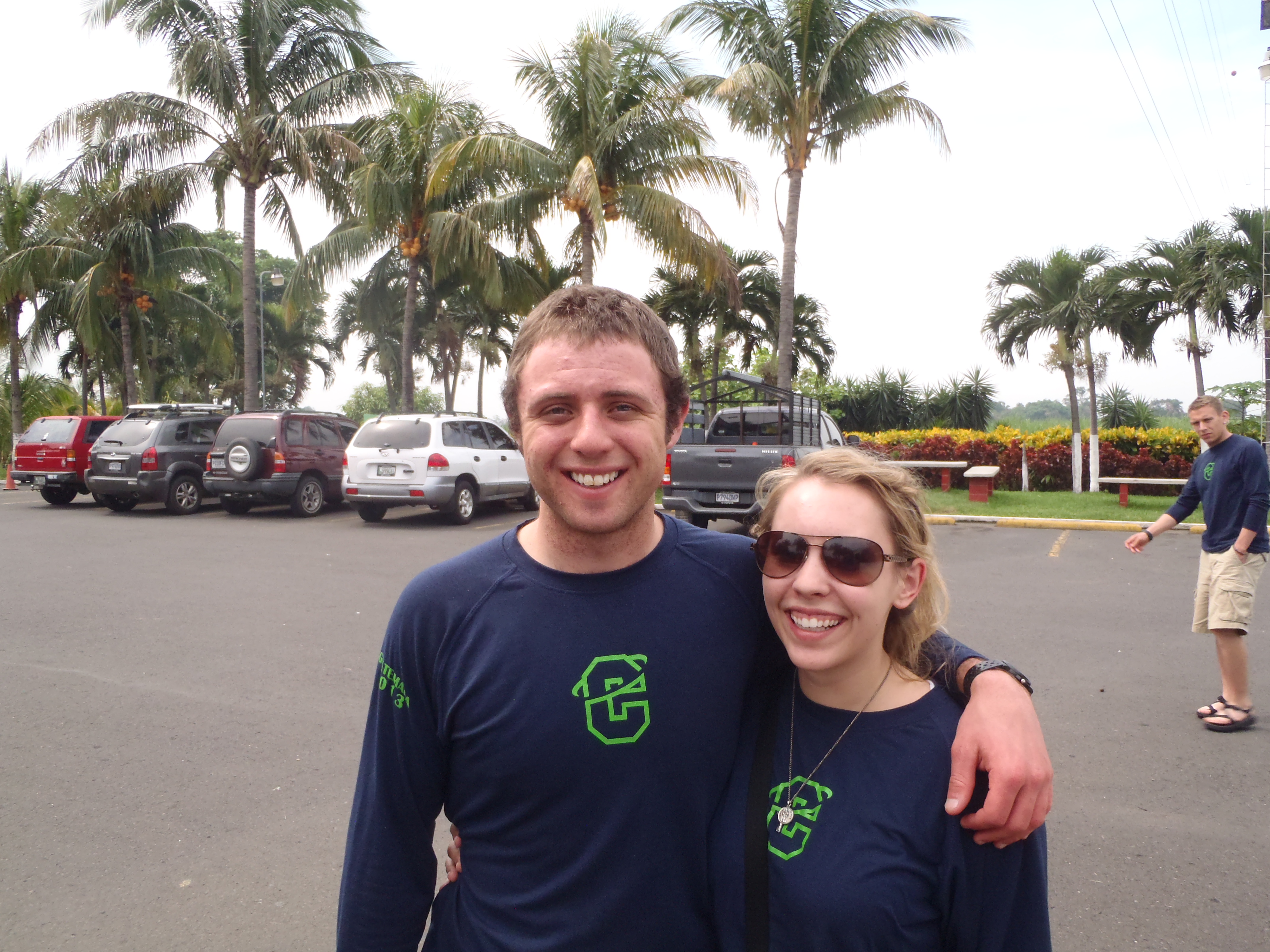 Salons with posters of white women were everywhere. Many of the kids wore shirts with pictures of American movie stars. The tourist areas were full of markets and salespeople pushing their “authentic handmade” products. The Guatemalans knew how to lure the Americans in with shops and shiny things. The food shops were overflowing with twinkies, soda, ramen, box mac and cheese, and all kinds of convenient junk food, while the wrappers and plastic containers covered the river beds and beautiful vegetation. It was so clear to me that our culture had invaded the Guatemalan culture – and that in most cases it was degrading their culture. Because they do not have a consistent method of waste disposal, they tossed their garbage in the streets. Twinkie wrappers and pop bottles littered the rivers and gulches. When it rained, the trash would flow down the streets with the water. Our culture of convenience has been welcomed and admired by the Guatemalans, but they do not have the resources to properly handle the consequences. We realized that the American culture of 20 years ago was now in Guatemala, and that they idolized us. I used to think that how I lived my life in little Helena, MT had absolutely no global effect, but I was so wrong. My recycling isn’t going to get rid of the trash problem in Guatemala. My healthy eating isn’t going to cure those kids of diabetes. But the way I live my life does set an example for them, and for the people around me. By eating healthy, recycling, discouraging inappropriate movies and music, dressing with modesty, not supporting the evil in our society, and striving to serve and glorify God in everything I do, I am setting a tiny little example that will hopefully grow and eventually become influential in the Guatemalan culture. They idolize us – it was so clear – and the way we participate in our culture and create our culture, will without a doubt eventually trickle down into Guatemala. This places a great responsibility on us. I have never felt more disgusted with the blatant vanity and depravity of our culture. I do not want to see another inappropriate American movie or hear another trashy song because I know this message is being sent all around the world. The United States is the most powerful country in the world, and other countries are modeling their own cultures after ours. What are we doing to ensure this culture is pure and good? Every time we point out the evil in our society and determine to take no part in it, we are setting an example for everyone else in the world. I have never felt the weight of this responsibility more heavily. It is a blessing to have this kind of influence and opportunity, but we must be accountable to God and to the people of the world who are looking to us as an example. They idolize who we idolize. How much adoration, then, should we be giving LeBron James, Taylor Swift and Justin Timberlake? Or should we be idolizing Jesus Christ and encouraging lives given to His service? This responsibility is real, and it is necessary right now. Only when we each determine to discard the bad and embrace the good in our culture will things change. We are each called to change the world, and we, as Americans, have the greatest opportunity to do so.
Hannah Hirschfeld
Turismo Bus
It was only yesterday that we left the hot, humid environment we had come to call home for the last nine days. As we were journing out of the depths Guatemala, I could not help but reflect on the solid glass and metal barrier that separated me from the everyday life of many Guatemalans. I was separated from the noisy, trash filled streets by a modern innovation, a machine that had been developed to improve the quality of life. At this point, though, I was having trouble understanding how this great piece of technology was really enhancing the everyday life of this third world country. I really felt like I was in a giant bubble, and this bubble was allowing me to run away from the reality I had barely began to understand.
I remember flying into Guatemala and being drawn back by the sprawling slums, and the many armed men who lined the streets to protect vaious businesses and people. I have to admit, even coming from Wyoming, that men with shotguns everywhere is a bit unnerving. As we drove on that first day, we past more poverty then I have ever seen in my life; poverty that rarely allowed the lush plants of nature to overshadow it. As we rolled into the clinic for the first time, completely exhausted by the previous night of travel, I felt the beginning of my vulneralbility to this environment: physically, mentally and spiritually.
Here in the United States, we live a comfortalbe life. Yes, we have struggles and challenges, but we also have a lot more ways to numb the pain caused by our suffering. From media and social networking to drugs and food and large houses and laywers, we live in an enviroment where people have the opportunity to avoid suffering if they so desire. In Guatemala this is not the case, many people learn to live with their suffering like those who come to the clinic for medical help. What is surprising and will always amaze me is even with this pain the people are joyful and passionate for living. They are willing to get up early each day and surrender their time and energy to provide for their family and friends. They are willing to sacrifice and give.
It would seem that Guatemalan’s are very far indeed from the U.S.; this is something we all reflected on and gave thought to. On one hand, they are physically miles away but on the other (like many countries throughout the world) they are following suit with the culture being poured out of the U.S. day after day. Music, movies, and the latestet fashions are being received by Guatemala as a whole, even the kids at the dioceasen run school have their own taste of the pie, whether good or bad. This became very apparent when they presented Gangnum Style (a recent Youtube craze) to us during a visit. It was an uncomfortalbe moment for me as I realized our day to day actions here in America directly effect others throughout the world. What I choose to support, even if it is just for fun, directly influences countless people. Am I okay with the ideas, motivations and morals, that the U.S. is transmitting to the world? Am I satisfied supporting music that has the power to degrade and dehumanize the beautiful witness to life the Guatemalans have given me?
One example of American influence is the throw away culture. We buy individually wrapped snacks and throw away the wrappers without worrying where they end up, or we purchase one time use products that are easily replaced. As I spent more and more time on the streets, I begun to hunger for an answer to the question of why we throw things away. Where was it ever stated that we had an ability to rid ourselves of our ‘stuff’. In Guatemala, with trash piled everywhere it is interesting to me to think that something can really be thrown away. Without an infrastructure to support a clean environment, a Guatemalan cares little for the piece of plastic he just released to the already trashed ground. And, if this is the attidute towards small pieces of plastic and paper, then what prevents this mentality from being applied to larger, more meaningful parts of life?
This trip, at least for me, is the beginning of a new understanding. In the days ahead, I will reflect much on this experience and the kindness and love given to me generously by people who have far less than I do. Their wealth is not so much physical, but it is overwhelmingly spiritual. This is the reality I had to face as we drove in our giant bubble, escaping, some would say, back to the place we call home.
Codi Krueger
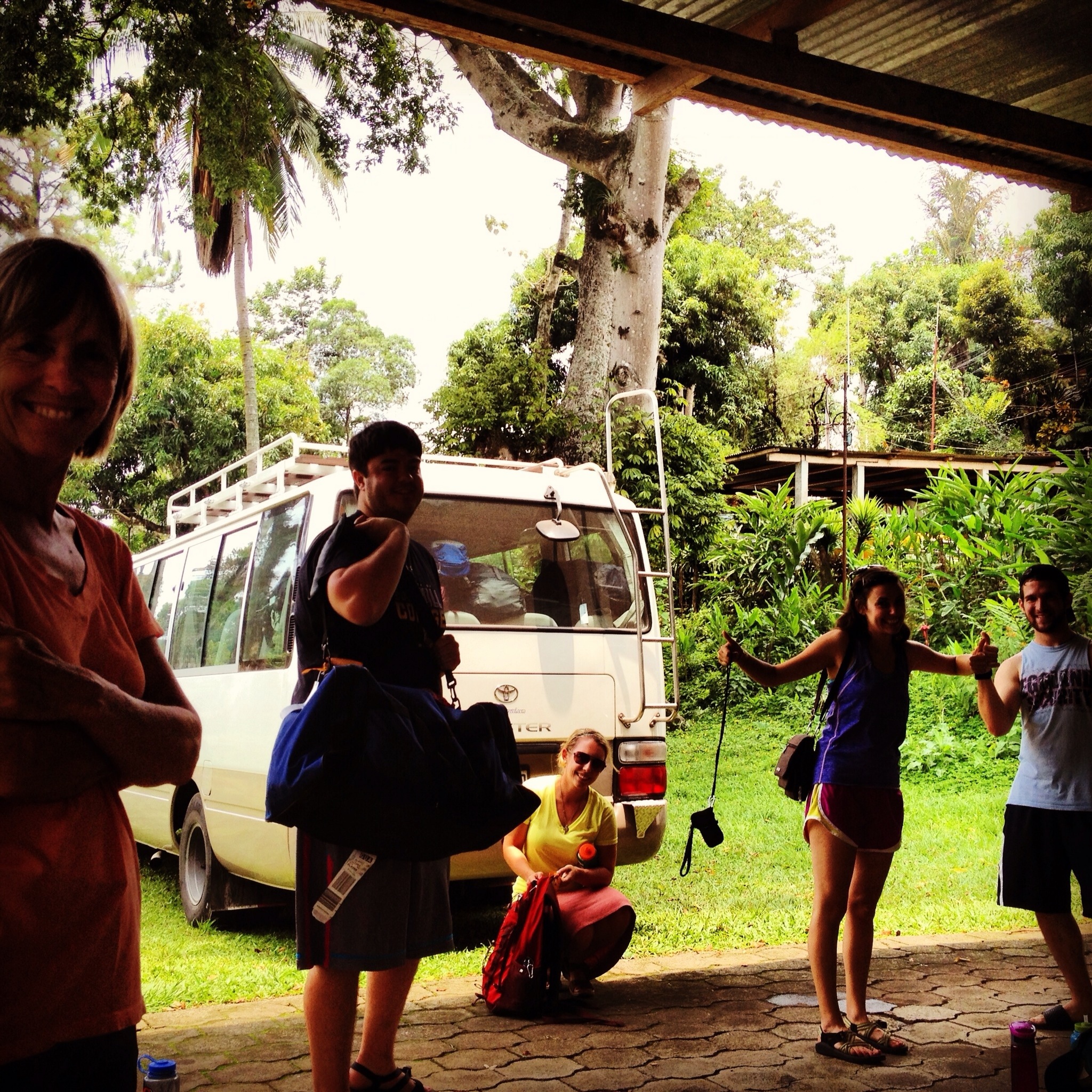
The True Definition of Poverty
I have always felt a calling towards service work ever since I was little and wanted to help everyone (dogs included) that I met. This calling was what initially attracted me to this trip. I assumed we would be traveling to Guatemala to do service work and help those in need. When I found out that this was not necessarily the purpose, I struggled to understand and explain to others why we were going. I became frustrated with the thought that we were investing quite the sum of money to go see a culture in need of that exact thing. I knew that this trip would be life changing, although I did not know to what extent the transformation would reach. When we first arrived on the clinic grounds in Santo Tomas, my narrow perspective began to broaden with the stories of the incredible women who work there. Sheila, Mary, and Anna showed me the real answers to poverty. Simply giving money directly to these people in need only relieves the pain of poverty until the donation runs out. In some cases, it even acts as a catalyst for the destruction of one’s dignity and empowerment. I realized this when we spent a morning digging a canal in Clinica Maxena’s garden. Sheila explained to us that showing the people how to supply their own means of food and work could allow them to provide for themselves, which in return results in self-respect and life satisfaction. The Guatemalan and Mayan people have an undeniable pride in their work. So taking this away from them by merely handing them money instead of supporting their abilities cripples their exceptional spirits and their futures.
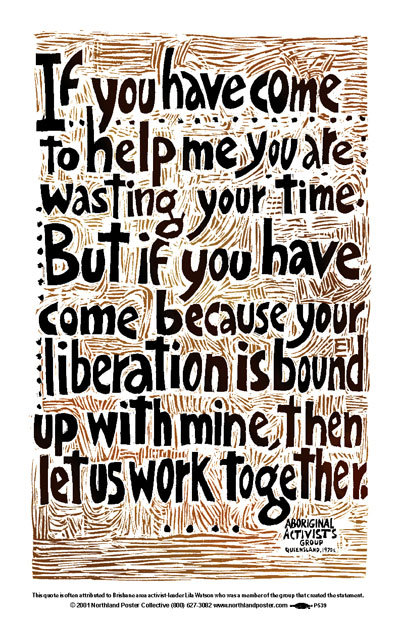
“If you have come to help me you are wasting your time, but if you have come because your liberation is bound with mine let us work together”
Working in harmony with those in need encourages their efforts by creating a common goal and ultimately a connection for all of humanity: to enhance the quality and equality of life for all.
What I have also realized is that a great deal of prejudice also lied in that fact I assumed we would be the doing the majority of life improvement. To my great surprise, this could not be more on the contrary. The Guatemalan people have a bountiful, inspirational, and unfathomable faith that is incredibly contagious to those who witness it. Although they struggle to meet their basic needs, they will offer everything they have to the Lord and their guests or brothers and sisters in Christ. I was brought to tears many times by how gracious they were to us. I thought and continue to think, if only I could communicate that their faith and friendship was enough to satisfy what they have shown truly matters- the soul. These people may be poor in money and possessions, but their tremendous richness in spirit, generosity, faith, and love should be what us “privileged” admire and seek. These beautiful people display the true definition of poverty as being devoid of the Lord.
God’s Love,
Ella Marie Goodwyn
Laments of LAX
So we (Nate and Jennesa) just arrived at the Salt Lake City International Airport and have been reflecting upon the differences we experienced in our few hours back in the states. The kindness and generosity of our brothers and sisters in Guatemala is one of the things that struck me (Jennesa) the most. I especially saw this in the women who cooked delicious meals for us and washed our clothing. They were so happy to do these things and serve us in this way. I was amazed by the way these women were so filled with joy in their giving, especially since we were strangers to them. Another instance of this generosity was when we were at la Asuncion School and I scraped my knee; when I was going to put a band-aid on it, several of the students said they were sorry to see that I got a scrape. I was touched by this, because they didn’t know me but still cared. Experiencing this heartfelt, genuine kindness in Guatemala has changed my perspective on how to treat others, especially those we don’t know.
Before arriving in Salt Lake, we landed in Los Angeles and had to go through customs and security. During these short experiences we were immediately reminded of the contrasts between our own culture and the one we had been immersed in for the past ten days. I (Nate) felt reverse culture shock. Witnessing my own culture after getting off the plane made me very uncomfortable. Seeing the high paced, stressful, intense, hurried Americans in LAX surprised me. I noticed the time oriented, materialistic, ‘done up,’ people around me and I didn’t like it one bit. What made me even more uncomfortable was how the people were treating one another. When I was in the security line, I saw a middle-aged, bleach blonde woman chew out a TSA worker. She made it through security, but came back to the metal detector machines to yell at him about how he handled her shoes. She ended her rant with a aggressive and mean exploitive. Jennesa saw a young family with a baby and a businessman getting in an unnecessary tiff about taking too long in line. The man asked why the family was taking so long and the father said the man could go ahead of them, then he asked if the businessman was in a hurry. The man replied in a huff that he wasn’t in a rush, so the father was irritated that he pushed them along and conveyed this through profane language. Their argument escalated further, until they went their separate ways.
There are many problems in Guatemala, but a positive aspect of their culture we witnessed was how they treated one another, particularly in the rural mountain communities. This inspired me (Nate) to make a little extra effort to converse with a woman who was checking my boarding pass at LAX. It wasn’t much, but I could tell it made a positive impact on her morning. The kindness I saw in the Guatemalans also inspired me (Jennesa) to a wish a barista at Starbucks a great day. We are just about to board our plane to Helena, so thanks for reading and see you soon…well, some of you! 🙂
Nate and Jennesa




 Carroll College Campus Ministry